
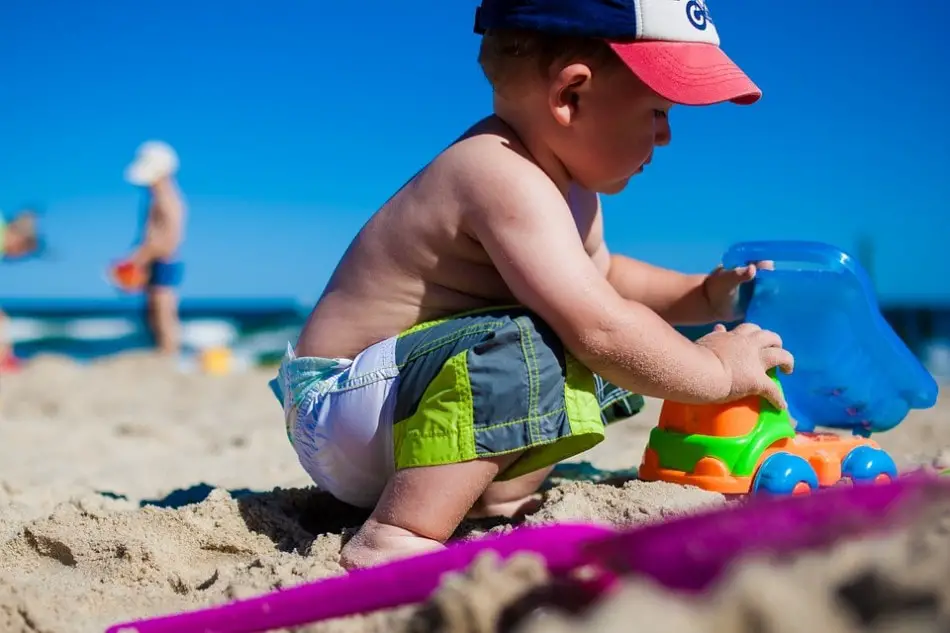
What are the signs of sun poisoning? Read on to get more insights on the signs of sun poisoning in children, on lips, and sun poisoning pictures.
[azonpress_tables id=”151″]What Are the Signs of Sun Poisoning?
Mostly sun poisoning will begin by skin reddening, pain, and irritation. After a few hours of exposure to the sun, you will start seeing your skin turning reddish, and irritation will eventually follow. This is especially for mild cases that involve exposure of 2 to 6 hours in the sun.
Severe sunburn will take place when you are in the sun for 12 to 24 hours. This will associate signs such as the formation of blisters, swelling, dehydration, loss of balance, dizziness, and possibly a chronic infection. Such too much sun exposure can lead to permanent skin burning due to cells’ denaturing, impair circulation of fluids in the body, fainting, and even death.
Depending on the sunlight’s intensity, you can also get chills, fever, vomiting, and skin peeling. Blisters and rash are so common, especially in fair skin that has little melanin pigment. Both blisters and rashes can vary in size ranging from very fine to coarse. There are two types of sun poisoning and each associates specific symptoms.
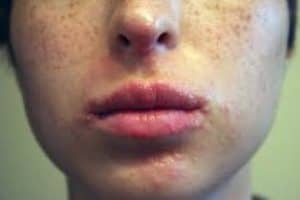
Polymorphous light eruption (PMLE)
This is a reaction of the body after exposure to the sunlight you are not used to. It is not associated with any drugs or diseases. Native Americans are at high risk of getting affected with an inherent type of this type of sunburn. People in northern climates can get affected by PMLE especially when they are subjected to tropical climate.
PMLE is characterized by a severe rash on the skin that surfaces past a few sun exposure hours. These rushes cause itching, and they associate symptoms such as:
- Formation of small bumps over the sun-exposed areas of the skin and body.
- Development of dense clumps of bumps.
- Formation of hives on the chest, lower legs, and arms.
- Fatigue, Chills, headache, and nausea are also common.
These signs of sun poisoning are likely to last for 2 to 3 days, although it can persist for a week for some people. Severe Polymorphous light eruption requires emergency treatment since it can be life-threatening at this level. Prevention of your body while getting outdoors is the best way to avoid PMLE. Sunscreen, wide-brimmed hats, and long-sleeved tops and pants should be used while in the sun.
Solar urticaria
This is another type of sun poisoning that forms after a few minutes of sun exposure. For this case, signs of sun poisoning include Itching, Wheezing, redness, blisters, loss of consciousness, the formation of bumps that look like hives, and dizziness. Symptoms may subside after a couple of days though for chronic cases, they can persist, and you are recommended to seek medical care.
Signs of Sun Poisoning in Children
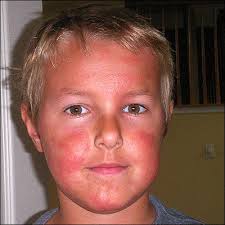
Children and young adults are at high risk of sunburn and sun poisoning compared to aged people. This is due to the soft growing nature of the skin and too much outdoor activity involvement. Aged people have tough, strong skin that can resist some of the effects of unprotected sun exposure.
Signs of sun poisoning in children depend on the cause, type, and duration of exposure to the sunlight. Various discussed treatments for sun poising can be used in fixing the symptoms. Sun poisoning on the face can also be prevented using various explained methods on how to prevent sunburn.
Exposing of young children to the sun can really affect both their eyes and skin. Toddlers have low production of melanin and tender skin cells that are highly vulnerable to harsh environmental conditions such as sunburn and sun poisoning. Symptoms are likely to be more severe in such young children as compared to adults.
When a child is exposed to the sun, their heat rash will develop as an immediate symptom. It is characterized by pink or red discoloration in most areas of the body. There is also a high possibility of the onset of headaches, vomiting, dehydration, dizziness, fever, and chills.
Keeping your baby covered or indoors is the best way to avoid sun poisoning symptoms that can lead to more complicated infections. Unfortunately, most of the sun poisoning treatments used among adults may not apply to toddlers. For example, you are not advised to apply sunscreen on children of 6 to 12 months. When you accidentally expose your baby to the sun and you observe symptoms, seek a doctor’s advice on what to do.
Signs of Sun Poisoning on Lips
Lips have the thinnest skin, which can easily get affected by the sun radiations. Drying and chapping of lips are the major signs of sun poisoning for this case. Reddening and peeling off of the skin can also happen. Like sun poisoning on the face, you can manage the situation through the discussed ways to treat sun poisoning.
However, you are advised to use a lip balm with SPF 30 and above to prevent your lips from sun poisoning effects. Beware that not all sunscreen is water-resistant; swimming and sweating can degrade such non-waterproof sunscreens’ effectiveness. Therefore, replying is the best way to ensure your protection against harmful radiation from the sun.
The product with high SPF offers more protection against UV and UVB rays. This is simply a ratio of the time such a product takes to produce a skin reaction on protected and unprotected skin. In layman’s, a product with SPF 30 would allow an individual to be exposed 30 times longer than one with no sunscreen when other factors are held constant.
Signs of Sun Poisoning
Most of the symptoms of sun poisoning, as said, can be managed through first aid and at-home remedies. Understand when the condition is mild or chronic so that you take the appropriate measure. Signs of sun poisoning pictures studied have indicated that most patients who get sunburn recover to their natural state after a short period of time following home care and medication as follows:
- Take a cool shower or bath or place clean wet, cool wash rags on the burn.
- Avoid using products that can cause skin allergic reactions and burns, such as benzocaine or lidocaine.
- Cover blisters with dry bandages to avoid bacterial infections.
- Drink a glass of cold water that is not ice cold to stay hydrated.
- You can apply a moisturizer to the skin to relieve the tension. Avoid using oil skin moisturizers such as petroleum jelly (Vaseline) since they can block the pores, retaining heat and sweat.
- Go for over the counter anti-inflammatory and pain killer medicines such as ibuprofen or acetaminophen.
- You can use cortisone creams to reduce and prevent inflammation.
- Do not wear tight nylon material clothing but instead, go for loose cotton.
- Stay out of the sun to avoid further sun poisoning.
- Apply Aloe Vera Gel lotion or cream on the affected area of the skin. You can use a direct natural extract of this ingredient or obtain the products from the drugstores.
- Compress the face with a mixture of milk and water in equal amounts.
- Use SPF, a sun protection factor of 30 or above, which you should regularly apply when outdoors.
In conclusion, therefore, severe signs of sun poisoning require
e emergency medical attention. Call your doctor or visit a nearby medical center for treatment. Chronic sun poisoning can associate skin cancer, damage to the skin’s underlying tissues, and permanent skin denaturing.
Recent Posts
If you’re looking for the simplest, cheapest and best way to get that cleansed and nourished skin in no time, you definitely have to consider some of the best facial steamers for home. With the...
What is the best skin lightening cream for dark skin marks, African Americans? Get more insights on the most effective skin whitening cream and lotions for dark skin marks, pigmentation and acne...